

The "Fur-nace" Problem: Why Your Pets Are Secretly Sabotaging Your HVAC
Feb 20th 2026
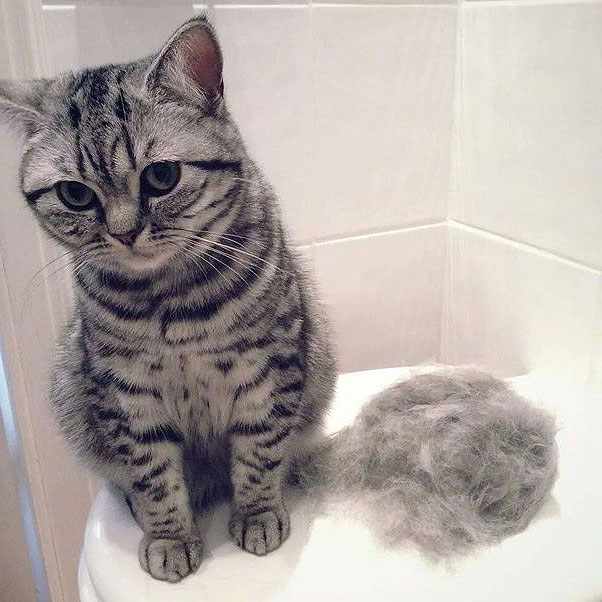
You love your dog. You adore your cat. But let’s be brutally honest for a second: your heating and cooling system has a complicated relationship with them.
Pets bring immense joy into our homes, but they also bring a steady supply of hair, dander, dust, and outside dirt. If you share your living space with a furry friend, your HVAC system may be dealing with much more debris than it would in a pet-free home.
That is why homes with pets often need to check their HVAC air filters more frequently. Pet hair and dander can collect on the filter, and as debris builds up, the filter can restrict airflow and make the system work harder.
Here is the dirty truth about what your pets are doing to your indoor air, and why the standard "change your filter every 90 days" rule does not work for every pet owner.
The "Sunbeam Snow Globe" Effect
You know that moment when the late afternoon sun hits your living room window just right, and you suddenly realize the air is sparkling with thousands of floating particles of hair and dust?
That is what your HVAC system is dealing with 24/7.
Every time your dog shakes off after a walk, or your cat gets the 3:00 AM zoomies, they can send loose hair, skin flakes, and other particles into the air. Tiny dander particles can remain airborne and eventually make their way into your HVAC system.
As air moves through your heating and cooling system, the filter catches many of those airborne particles. Over time, hair, dander, dust, and other debris collect on the filter.
The Reality: In a pet-free home, an air filter may collect mostly household dust and everyday debris. In a pet-owning home, it can also collect plenty of pet hair and dander. The more debris that builds up, the sooner the filter may need attention.
What Happens When the "Lint Roller" Gets Full?
When a filter gets caked in pet hair and dander, it can become a serious airflow restriction. A heavily loaded filter, rather than allowing air to pass through easily, forces your HVAC system to work harder to move air around your home.
That can create a miserable domino effect:
- The Airflow Problem: A dirty or clogged filter can reduce airflow through your HVAC system, making it harder to deliver conditioned air throughout the house.
- The Comfort Problem: Restricted airflow can leave some rooms feeling warmer or cooler than they should.
- The Energy Problem: When airflow is restricted, your HVAC system may run longer to maintain the temperature you set, which can increase energy use.
- The Maintenance Problem: Continued operation with poor airflow can put additional strain on HVAC components.
A dirty filter is not the only possible cause of HVAC problems. If you notice weak airflow, unusual noises, or ongoing temperature issues after replacing the filter, have an HVAC professional check the system.
The Pet Owner’s Filter Timeline
If you are buying premium kibble and scheduling vet visits, you also need to pay attention to your HVAC filter.
The familiar "change it every 90 days" rule is only a general guideline. The right filter replacement schedule depends on the filter type, HVAC system, how often the system runs, the number of people and pets in the home, and the amount of dust and debris indoors.
For homes with pets, this guideline is a useful starting point:
|
Household Type |
Recommended Change Frequency |
|
No Pets (The Baseline) |
Every 60–90 days |
|
One Pet (Short Hair) |
Every 45–60 days |
|
Heavy Shedders (Huskies, Goldens) |
Every 30 days |
|
The "Zoo" (multiple pets) |
Every 20–30 days |
|
Pet Owners With Allergies |
Every 20–30 days (Strictly) |
These are starting points, not hard rules. If your filter looks dirty or covered in pet hair before the suggested date, replace it sooner.
Choosing the Right HVAC Filter for Pet Dander
The MERV rating is another factor to consider when choosing an HVAC filter for a home with pets.
MERV stands for Minimum Efficiency Reporting Value. In general, a higher MERV rating means the filter can capture a greater percentage of certain airborne particles.
A higher-efficiency filter may provide better particle filtration for homes dealing with pet dander. The EPA recommends using a MERV 13 filter, or the highest-rated filter your HVAC system can properly accommodate.
However, higher is not automatically better for every HVAC system.
Before switching to a higher MERV filter, check your furnace or HVAC manufacturer's recommendations. A filter that creates too much airflow resistance for your particular system can cause problems.
The filter should also fit correctly. A filter that does not fit the slot properly can allow air to bypass it, reducing its effectiveness.
3 Insider Hacks to Keep Your Air Clear
Want to make your filters last a little longer and keep your house smelling less like dander city? Try these simple moves:
- Brush Them Outside: It sounds simple, but aggressively brushing your heavy-shedding dog inside the house can send loose hair and dander directly into the air. Take the grooming session outside whenever possible.
- Check Your Vent Clearance: Is your cat's favorite plush bed pushed right up against the main return vent grille? Move it. Furniture, pet beds, blankets, and other objects can block return-air vents and interfere with proper airflow.
- Wash the Pet Bedding: Dog beds and cat blankets are dander magnets. Wash them regularly according to the manufacturer's care instructions to reduce the amount of hair, dander, and dust collecting around your home.
Regular vacuuming helps too. Pay special attention to carpets, rugs, upholstery, and the areas where your pets spend most of their time.
Keep Your Pet-Friendly Home’s Air Filters Ready
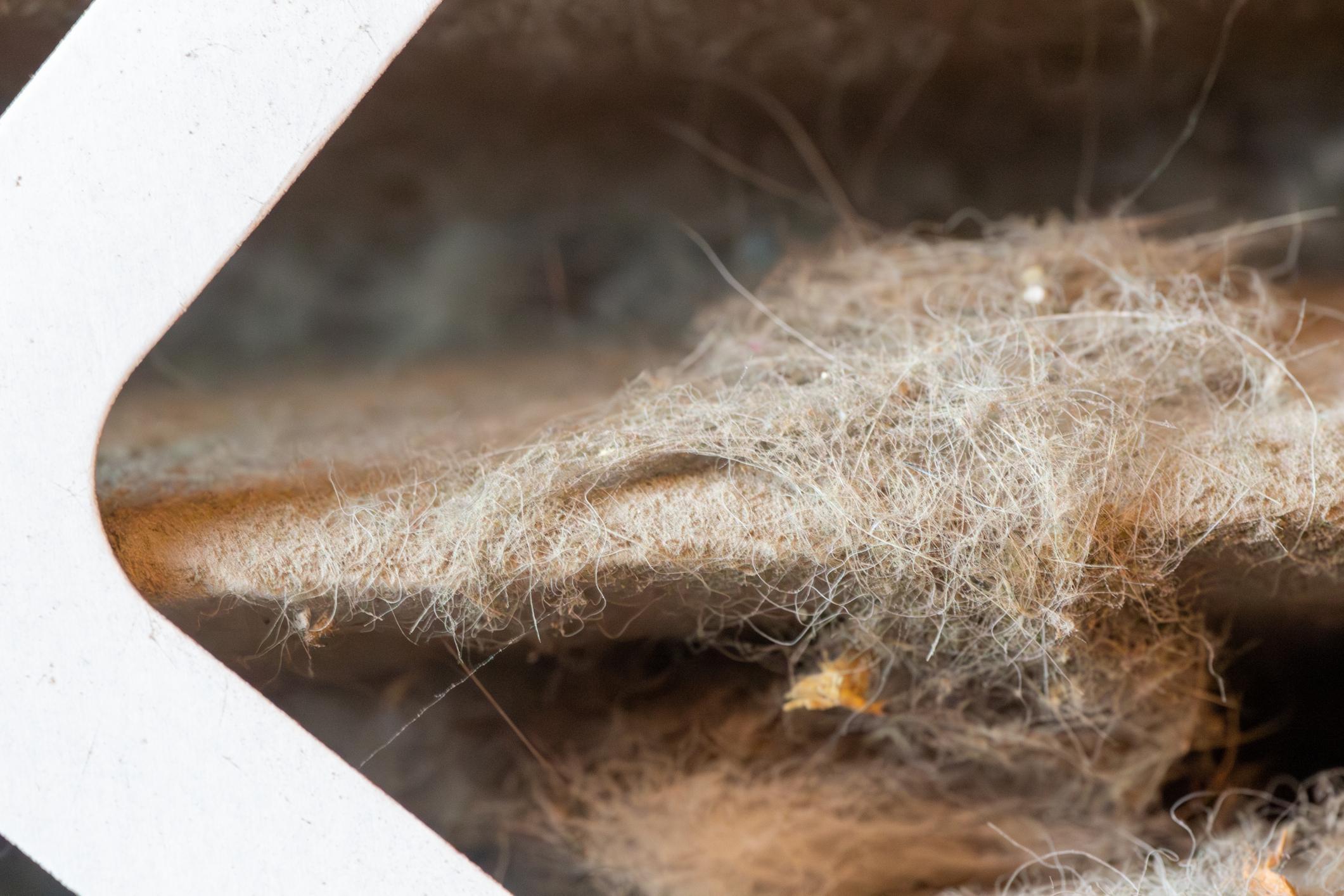
Pets make a house feel like a home, but they also turn your air filter into a fur coat.
Consistency is everything. Set a recurring calendar alert on your phone. If you remember to give your pet their monthly flea and tick medicine, use that same day to check your HVAC filter.
If the filter is visibly dirty, covered in pet hair, or heavily loaded with dust and dander, replace it. Don't wait for the calendar if the filter clearly needs attention.
A clean, properly fitted filter helps maintain airflow and gives your HVAC system a better chance of doing its job effectively.
Let FiltersDelivered.com help you get the filters you need with free shipping and a range of MERV ratings for your home's filtration needs.
Frequently Asked Questions
Does pet hair affect HVAC efficiency?
Pet hair itself is not the only concern. Hair, dander, dust, and other debris can accumulate on the HVAC filter. When the filter becomes heavily loaded, airflow can be restricted, which may affect how efficiently the system operates.
Are washable filters good for homes with pets?
Washable filters can be an option, but they are not automatically the best choice for every HVAC system or household. The filtration performance of washable filters can vary, and they must be cleaned and dried properly before being reused. Check your HVAC manufacturer's recommendations before switching filter types.
Should I vacuum my furnace filter?
No. Disposable HVAC filters are designed to be replaced rather than cleaned and reused. Vacuuming may remove some surface debris but does not restore the filter to its original condition. Replace a disposable filter when it becomes dirty.
Can pet allergies be helped by changing an HVAC filter?
A clean, properly fitted filter can help capture airborne particles, including some pet-related particles. However, an HVAC filter is only one part of managing pet allergens. Regular cleaning, pet grooming, and reducing the amount of dander in the home can also help.
Why does my HVAC filter get dirty so quickly?
Fast filter buildup can happen for several reasons, including multiple pets, heavy shedding, frequent HVAC use, construction or renovation, high indoor dust levels, and other airborne particles. If a new filter becomes heavily loaded unusually quickly, checking the home and HVAC system for other sources of debris may be worthwhile.
Can I use a thicker filter to catch more pet dander?
Not necessarily. A thicker or higher-MERV filter is not automatically suitable for every HVAC system. What matters is whether your system is designed to handle the filter's airflow resistance. Check the manufacturer's specifications before changing filter size or MERV rating.