




The Top Sources of Indoor Air Pollution at Home (and How to Protect Your Family)
Jan 8th 2026
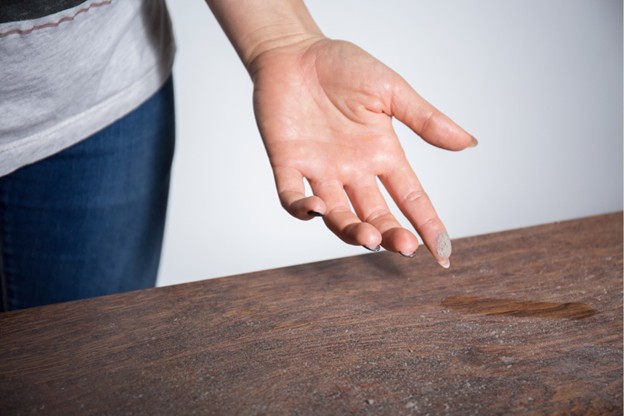
When we think about air pollution, most of us picture smoggy city skylines or traffic-filled highways. But the truth is, indoor air can be more polluted than outdoor air, especially since we spend most of our time inside our homes.
Understanding where indoor air pollution comes from, and how it affects your health is the first step toward creating a cleaner, safer home environment for your family.
Why Indoor Air Quality Matters
Indoor air quality directly impacts:
- Respiratory health
- Allergy and asthma symptoms
- Sleep quality
- Overall comfort and well-being
Homes are sealed tightly for energy efficiency, pollutants can become trapped indoors, circulating through your HVAC system again and again.
Dust, Pet Dander, and Allergens
One of the most common sources of indoor air pollution is everyday household dust. Dust often contains:
- Pet dander
- Pollen tracked in from outside
- Fabric fibers
- Skin cells
Health effects:
- Sneezing and congestion
- Allergy flare-ups
- Irritated eyes and throat
How to protect your home:
- Replace HVAC air filters regularly
- Vacuum frequently, especially in high-traffic areas
- Groom pets often to reduce dander at the source
Cooking Smoke and Kitchen Pollutants

Cooking releases airborne particles, grease, and odors into the air, especially when frying or cooking at high temperatures.
Health effects:
- Eye and throat irritation
- Headaches
- Lingering odors and particles
How to protect your home:
- Use kitchen exhaust fans when cooking
- Open windows briefly when weather allows
- Change air filters more often during heavy cooking seasons
Cleaning Products and Household Chemicals
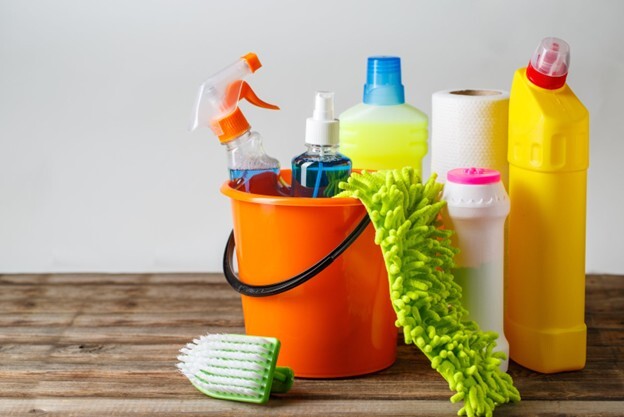
Many common cleaners release volatile organic compounds (VOCs) into the air.
Health effects:
- Headaches and dizziness
- Respiratory irritation
- Long-term sensitivity in some individuals
How to protect your home:
- Use mild or fragrance-free cleaning products
- Avoid mixing chemical cleaners
- Ventilate rooms while cleaning
Candles, Fireplaces, and Burning Sources
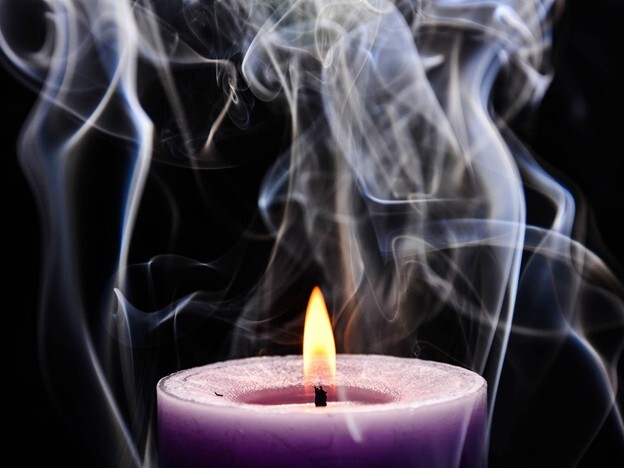
Candles, fireplaces, and incense can release fine particles into indoor air, invisible to the eye these particles are fine enough to linger for a long time.
Health effects:
- Worsened asthma symptoms
- Increased particulate exposure
How to protect your home:
- Use candles sparingly
- Ensure fireplaces are properly vented
- Replace HVAC filters more frequently during winter months
Mold and Excess Moisture
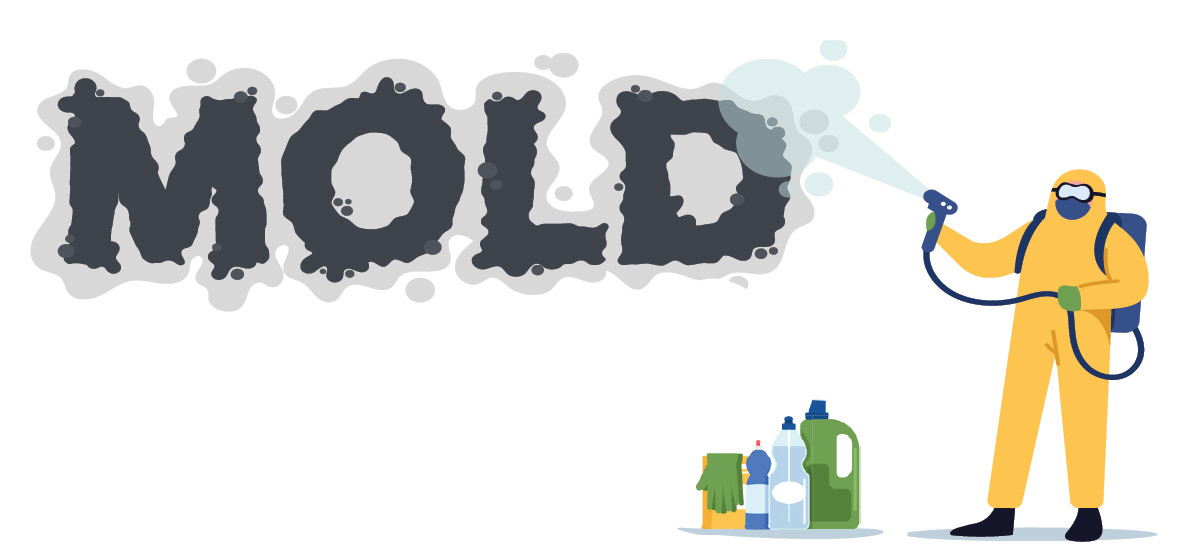
Moist environments allow mold to grow, releasing spores into the air. Mold is the number one cause of respiratory illness in children and the elderly.
Health effects:
- Respiratory irritation
- Allergy symptoms
- Musty odors
How to protect your home:
- Keep indoor humidity between 30–50%
- Use bathroom and kitchen exhaust fans
- Address leaks and moisture issues promptly
Outdoor Pollutants Brought Indoors
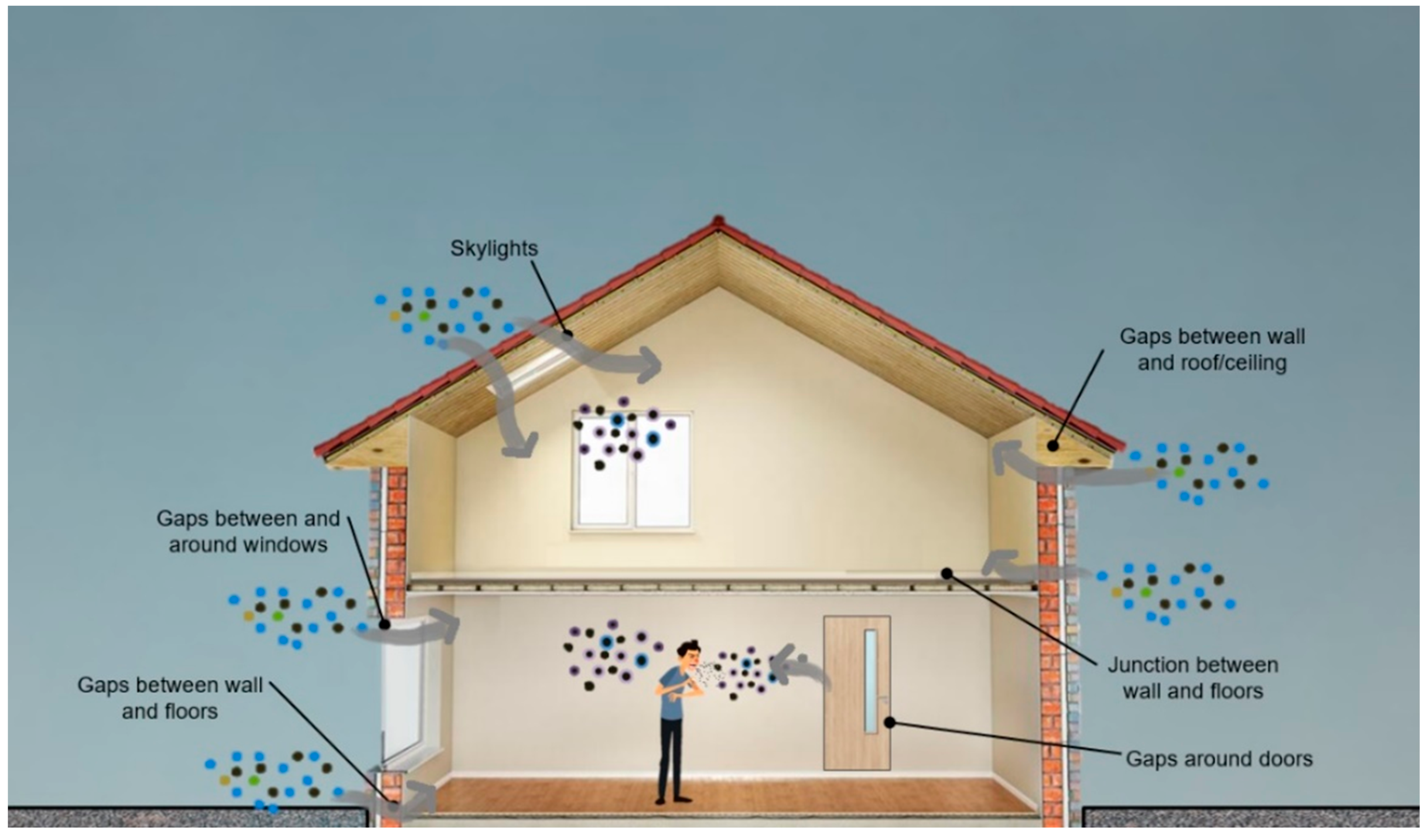
Pollution doesn’t stop at your front door. Outdoor contaminants like pollen, smoke, and dust enter through doors, windows, clothing, and pets. Something as simple as a window open on a windy day and introduce millions of fine particles into your home.
How to protect your home:
- Use doormats at entryways
- Remove shoes indoors
- Maintain clean HVAC filters to capture incoming particles
How Indoor Air Pollution Affects Your Health
Long-term exposure to polluted indoor air can contribute to:
- Increased allergy symptoms
- Asthma flare-ups
- Fatigue and headaches
- Poor sleep quality
Simple Steps to Protect Your Family’s Air
One of the most effective ways to reduce indoor air pollution is proper air filtration.
- Replace air filters every 30–90 days
- Choose the correct size and MERV rating for your system
- Keep vents and returns clear
- Maintain healthy humidity levels
- Stay consistent with home maintenance
Clean air starts with small, regular habits. It may seem arbitrary at first, and nobody wants to think their house is full of particulates; but we fight the war against dust, debris and dander everyday.
Final Thoughts
Indoor air pollution often comes from everyday activities, but that doesn’t mean it’s unavoidable. By understanding the sources and taking simple preventive steps, you can significantly improve the air your family breathes every day.
Clean indoor air supports better health, better sleep, and a more comfortable home and it all starts with paying attention to what’s circulating through your HVAC system. With FiltersDelivered.com you can secure your air quality with high quality filters of all MERV ratings to ensure the filtration and clean air you want. With fast free shipping and a wide variety of filters, we have everything you need to keep what matters to you safe.